Understanding PTSD After a Motorcycle Accident
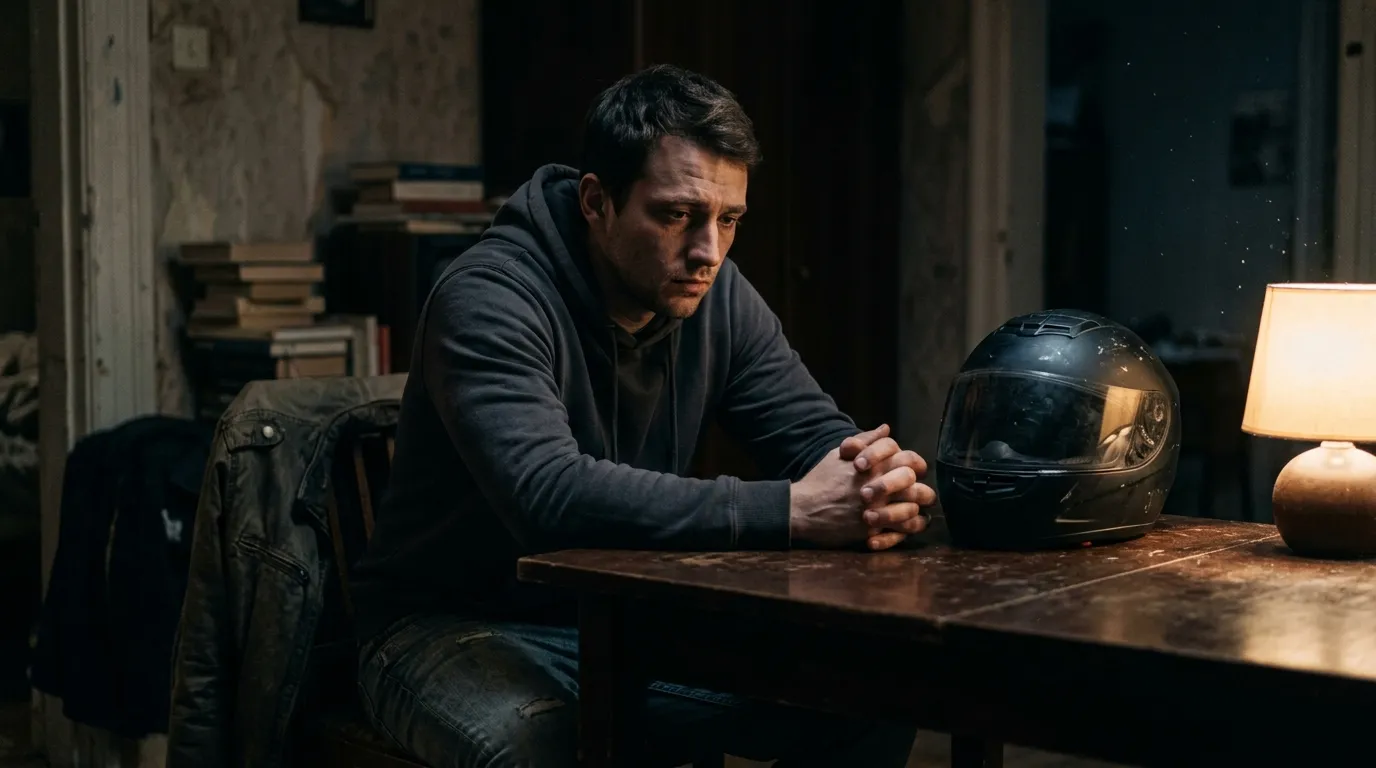
Motorcycle accidents are inherently violent and chaotic events that can leave lasting scars. While physical injuries like broken bones and road rash are immediately apparent, the psychological impact often remains hidden. Post-Traumatic Stress Disorder (PTSD) is a severe mental health condition triggered by experiencing or witnessing a terrifying event. For many riders in Riverside, the trauma of a crash extends far beyond the physical healing process. Consequently, understanding the signs of PTSD is the first step toward comprehensive recovery.
Many victims mistakenly believe that they must simply “tough it out” after a collision. However, ignoring mental health symptoms can lead to long-term suffering and decreased quality of life. Furthermore, psychological trauma can hinder physical rehabilitation, making it difficult to return to work or enjoy daily activities. Recognizing that mental health is just as important as physical health is crucial for anyone involved in a serious motorcycle accident.
Common Symptoms of PTSD in Accident Victims
Identifying PTSD early can significantly improve the chances of a successful recovery. Symptoms often develop within weeks of the accident, but they can sometimes take months to appear. One of the most common signs is experiencing intrusive memories or flashbacks of the crash. These vivid recollections can be triggered by sights, sounds, or even smells associated with the accident scene. Additionally, victims may suffer from severe nightmares that disrupt their sleep and leave them feeling exhausted during the day.
Avoidance behavior is another hallmark symptom of PTSD. Riders may refuse to get back on a motorcycle or even avoid driving in cars altogether. They might steer clear of the intersection or highway where the accident occurred. This avoidance can severely limit their independence and mobility. Moreover, individuals with PTSD often experience negative changes in thinking and mood, such as feeling detached from loved ones, losing interest in previously enjoyed activities, or struggling with overwhelming feelings of guilt and shame.
The Invisible Toll of Mental Health Trauma
The invisible nature of mental health trauma makes it particularly challenging to address. Unlike a cast on a broken arm, there are no outward signs of the internal struggle a victim is facing. This invisibility can lead to feelings of isolation, as friends and family may not fully comprehend the depth of the victim’s suffering. Therefore, it is essential to foster an environment of open communication and support.
The financial burden of treating mental health conditions can also be substantial. Therapy sessions, psychiatric consultations, and necessary medications add up quickly. When combined with the costs of physical medical care and lost wages, the financial strain can exacerbate the victim’s anxiety and stress. Seeking professional legal guidance can help alleviate this burden by ensuring that all aspects of the victim’s suffering are accounted for in a personal injury claim.
Can You Claim Compensation for PTSD in California?

The short answer is yes. In California, personal injury law recognizes that victims are entitled to compensation for both economic and non-economic damages. Economic damages cover quantifiable losses like medical bills and lost income. Non-economic damages, on the other hand, compensate for subjective losses such as pain, suffering, and emotional distress. PTSD falls squarely into the category of non-economic damages, making it a valid and crucial component of a comprehensive motorcycle accident claim.
However, claiming compensation for PTSD requires more than simply stating that you feel traumatized. The legal system demands concrete evidence to substantiate these claims. Insurance companies are notoriously skeptical of invisible injuries and will often attempt to minimize or deny compensation for mental health trauma. Consequently, building a strong, evidence-based case is essential for securing the financial support necessary for a full recovery.
Proving Emotional Distress in Personal Injury Cases
Proving emotional distress involves demonstrating a direct link between the motorcycle accident and the onset of PTSD symptoms. This process requires meticulous documentation and expert testimony. One effective method is keeping a daily journal detailing your emotional state, sleep patterns, and any difficulties you face in your daily routine. This personal record provides a compelling narrative of how the trauma has impacted your life.
Witness testimony from friends, family members, and coworkers can also be invaluable. These individuals can attest to the changes in your behavior and mood since the accident. They can describe how your anxiety or avoidance behaviors have affected your relationships and ability to function. Furthermore, their observations provide an objective perspective that corroborates your personal account of the trauma.
The Role of Medical Professionals in Your Claim
Medical professionals play a pivotal role in validating a PTSD claim. A formal diagnosis from a licensed psychiatrist or psychologist is the cornerstone of your case. These experts can provide detailed reports outlining your symptoms, the severity of your condition, and the recommended course of treatment. Their professional opinion carries significant weight with insurance adjusters and in a court of law.
In addition to a diagnosis, ongoing treatment records demonstrate your commitment to recovery. Attending regular therapy sessions and following prescribed treatment plans show that you are actively working to manage your condition. These records also help quantify the financial cost of your mental health care, which is essential for calculating the total value of your claim. Therefore, seeking prompt and consistent psychological care is both a medical and legal necessity.
How a Riverside Motorcycle Accident Lawyer Can Help

Navigating the complexities of a personal injury claim while struggling with PTSD is an overwhelming task. A skilled Riverside motorcycle accident lawyer can provide the necessary support and expertise to ensure your rights are protected. They understand the nuances of California law and have experience dealing with the specific challenges associated with mental health claims. By taking over the legal burden, an attorney allows you to focus entirely on your recovery.
An experienced lawyer will conduct a thorough investigation of the accident to establish liability. They will gather crucial evidence, such as police reports, witness statements, and medical records, to build a compelling case. Additionally, they have access to a network of medical experts who can provide the necessary testimony to substantiate your PTSD claim. This comprehensive approach maximizes your chances of receiving fair compensation.
Calculating Damages for Mental Health Recovery
Calculating the value of non-economic damages like PTSD is a complex process. Unlike medical bills, there is no set price tag for emotional suffering. Attorneys use various methods to quantify these damages, often considering the severity of the trauma, the impact on your daily life, and the anticipated duration of your recovery. They will work closely with your medical providers to understand the long-term implications of your condition.
In some cases, attorneys may use a multiplier method, where your economic damages are multiplied by a certain number based on the severity of your suffering. Alternatively, they may use a per diem approach, assigning a daily monetary value to your pain and suffering. Regardless of the method used, a knowledgeable lawyer will fight to ensure that the final calculation accurately reflects the true cost of your mental health trauma.
Negotiating with Insurance Companies for Fair Settlements
Insurance companies are profit-driven entities that often prioritize their bottom line over the well-being of accident victims. They employ teams of adjusters and lawyers whose primary goal is to minimize payouts. When dealing with PTSD claims, they may argue that your symptoms are exaggerated or unrelated to the accident. Having a strong legal advocate on your side levels the playing field.
Your attorney will handle all communication and negotiations with the insurance company. They know how to counter the tactics used by adjusters and will not be intimidated into accepting a lowball offer. If a fair settlement cannot be reached through negotiation, your lawyer will be prepared to take your case to trial. This readiness to litigate often motivates insurance companies to offer more substantial settlements to avoid the costs and risks of a courtroom battle.
Steps to Take if You Experience PTSD Symptoms
If you suspect you are suffering from PTSD after a motorcycle accident, taking immediate action is crucial for both your health and your legal claim. The first and most important step is to prioritize your well-being. Acknowledging that you need help is a sign of strength, not weakness. Delaying treatment can exacerbate your symptoms and make recovery more difficult.
It is also important to remember that you do not have to go through this alone. Reach out to your support network of friends and family. Share your feelings and experiences with them, as their understanding and encouragement can be a vital source of comfort. Additionally, consider joining a support group for accident survivors, where you can connect with others who truly understand what you are going through.
Seeking Immediate Medical and Psychological Care

Do not wait to seek professional help. Contact a mental health professional who specializes in trauma and PTSD. They can provide a proper diagnosis and develop a personalized treatment plan tailored to your specific needs. Common treatments for PTSD include Cognitive Behavioral Therapy (CBT ), Eye Movement Desensitization and Reprocessing (EMDR), and medication management. You can learn more about these treatments from the National Institute of Mental Health.
Consistency is key when it comes to mental health treatment. Attend all scheduled appointments and follow your therapist’s recommendations. Be honest and open about your symptoms, as this will help them provide the most effective care. Remember that healing from psychological trauma takes time, and progress may be gradual. Patience and persistence are essential components of the recovery journey.
Documenting Your Emotional and Mental State
As mentioned earlier, documentation is vital for a successful personal injury claim. Start keeping a journal as soon as possible after the accident. Record your daily emotional state, any triggers that cause anxiety or flashbacks, and how your symptoms affect your ability to work, socialize, and perform daily tasks. Be as detailed and specific as possible.
Keep all records related to your mental health treatment. This includes bills for therapy sessions, receipts for medications, and any written reports or diagnoses from your healthcare providers. Provide copies of these documents to your attorney, as they will form the foundation of your claim for non-economic damages. Thorough documentation ensures that the full extent of your suffering is recognized and compensated.
Moving Forward After a Traumatic Motorcycle Crash
Recovering from a motorcycle accident is a multifaceted process that requires addressing both physical and psychological injuries. PTSD is a serious condition that demands professional attention and comprehensive legal representation. By understanding your rights and taking proactive steps to seek help, you can navigate the path to recovery with confidence.
If you or a loved one is struggling with mental health trauma following a collision, do not hesitate to seek legal counsel. A dedicated Riverside motorcycle accident lawyer will fight tirelessly to secure the compensation you need to heal and rebuild your life. With the right support system in place, you can overcome the trauma of the crash and move forward toward a brighter future.