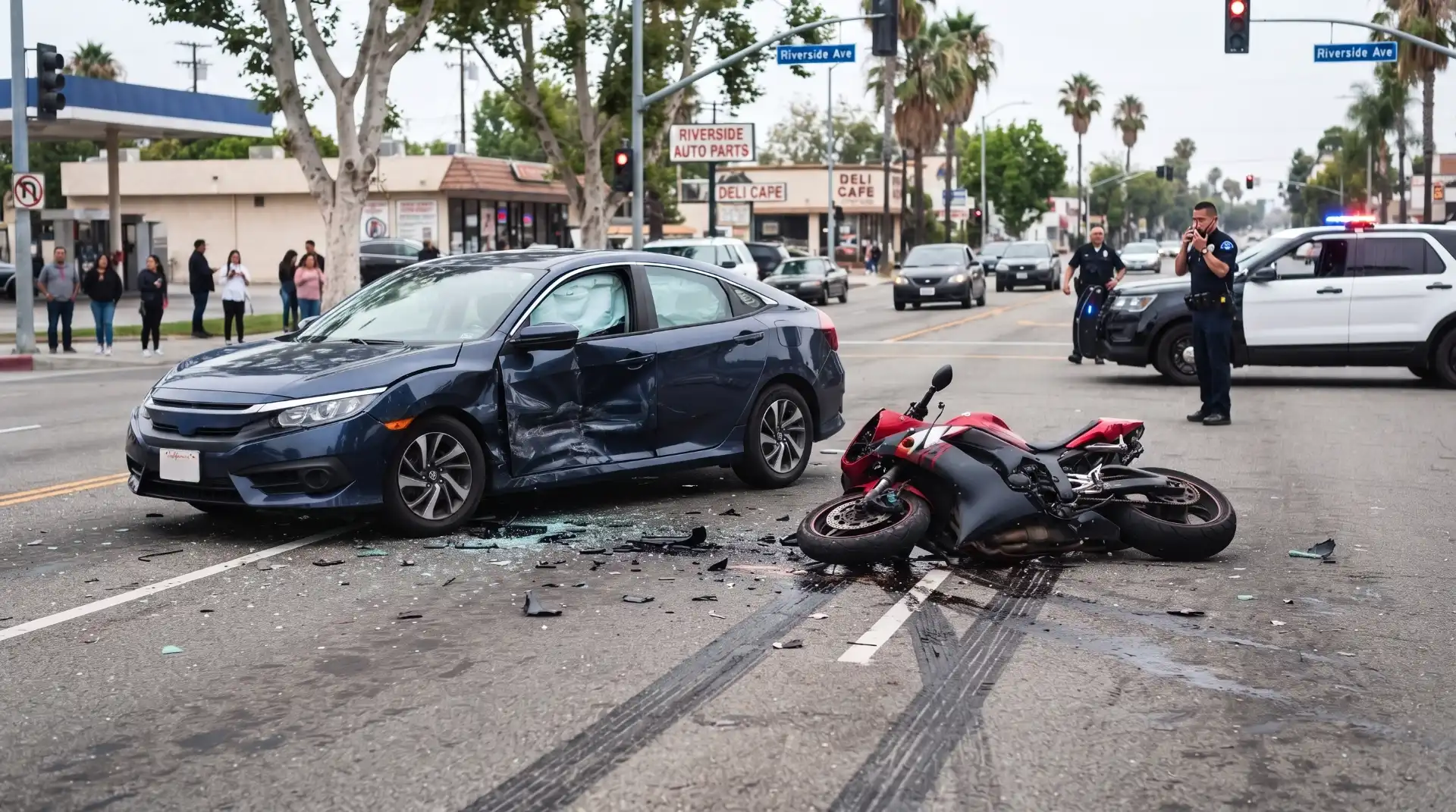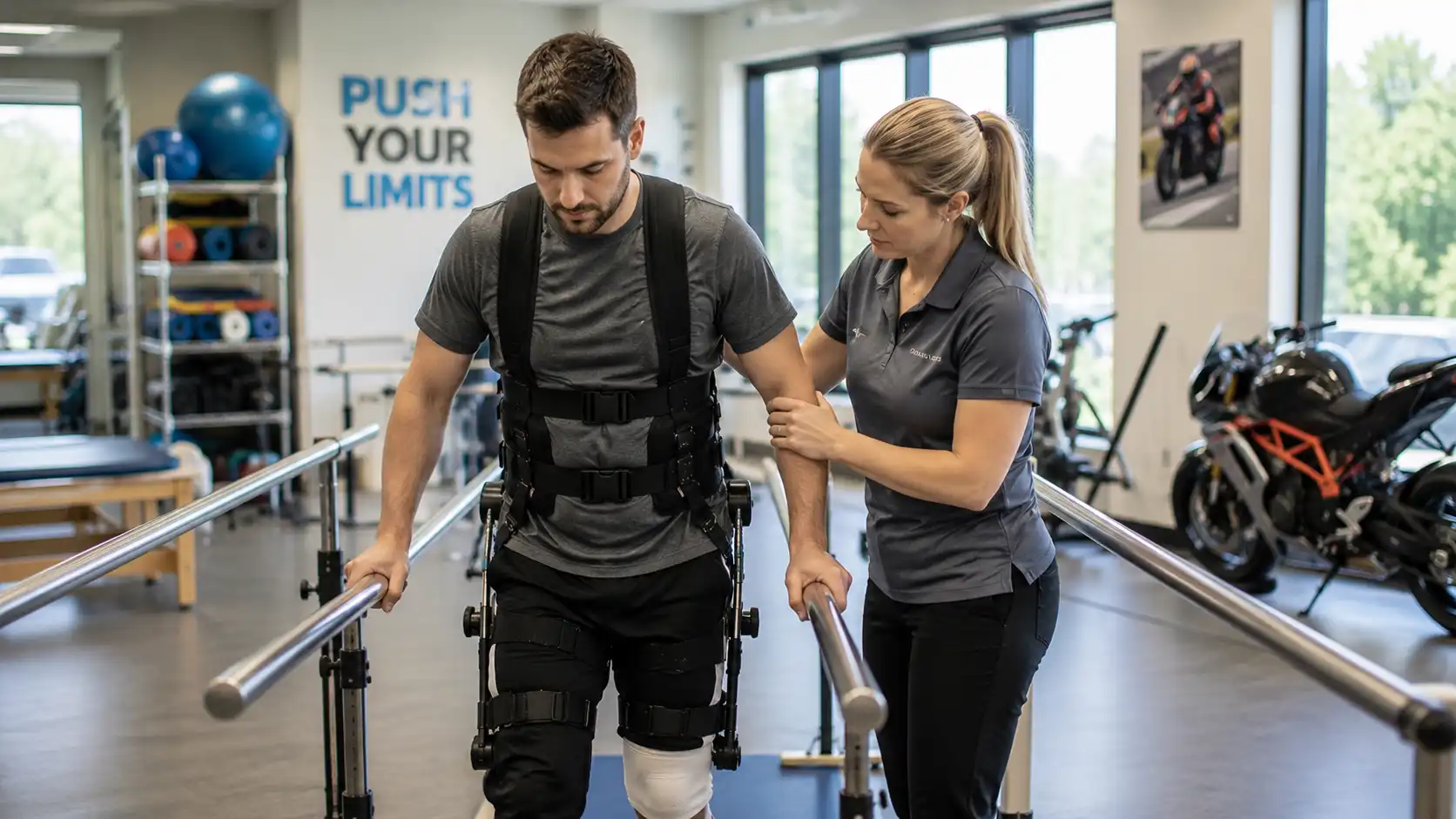
Motorcycle accidents can lead to some of the most severe injuries seen on American roads. Among them, spinal cord injuries are often considered one of the most life-altering. Unlike occupants of passenger vehicles, motorcyclists have limited protection during a collision. Even when wearing proper safety gear, riders may be thrown from their motorcycles and suffer significant trauma to the neck, back, and spinal column.
A spinal cord injury can affect nearly every aspect of a person’s life. Depending on the severity and location of the injury, individuals may experience chronic pain, reduced mobility, loss of sensation, or paralysis. Recovery can require extensive medical treatment, rehabilitation, and long-term support.
Understanding how spinal cord injuries occur after motorcycle accidents, the symptoms to watch for, treatment options, and the potential financial impact may help riders and their families make informed decisions following a crash.
Why Motorcycle Accidents Often Cause Spinal Cord Injuries
Motorcycles provide riders with freedom and maneuverability, but they also expose them to greater injury risks. During a collision, riders do not have the protection of a steel frame, airbags, or seat belts. As a result, the force of impact is often absorbed directly by the body.
Spinal cord injuries may occur in several ways during a motorcycle crash. A rider may be ejected and land on their back or neck. The motorcycle itself may strike the rider after the initial impact. Collisions with vehicles, roadside objects, or pavement can place extreme pressure on the spine.
High-speed crashes often increase the risk of severe spinal trauma. However, even accidents occurring at moderate speeds may result in significant spinal damage depending on how the rider falls or impacts surrounding objects.
Understanding the Spinal Cord
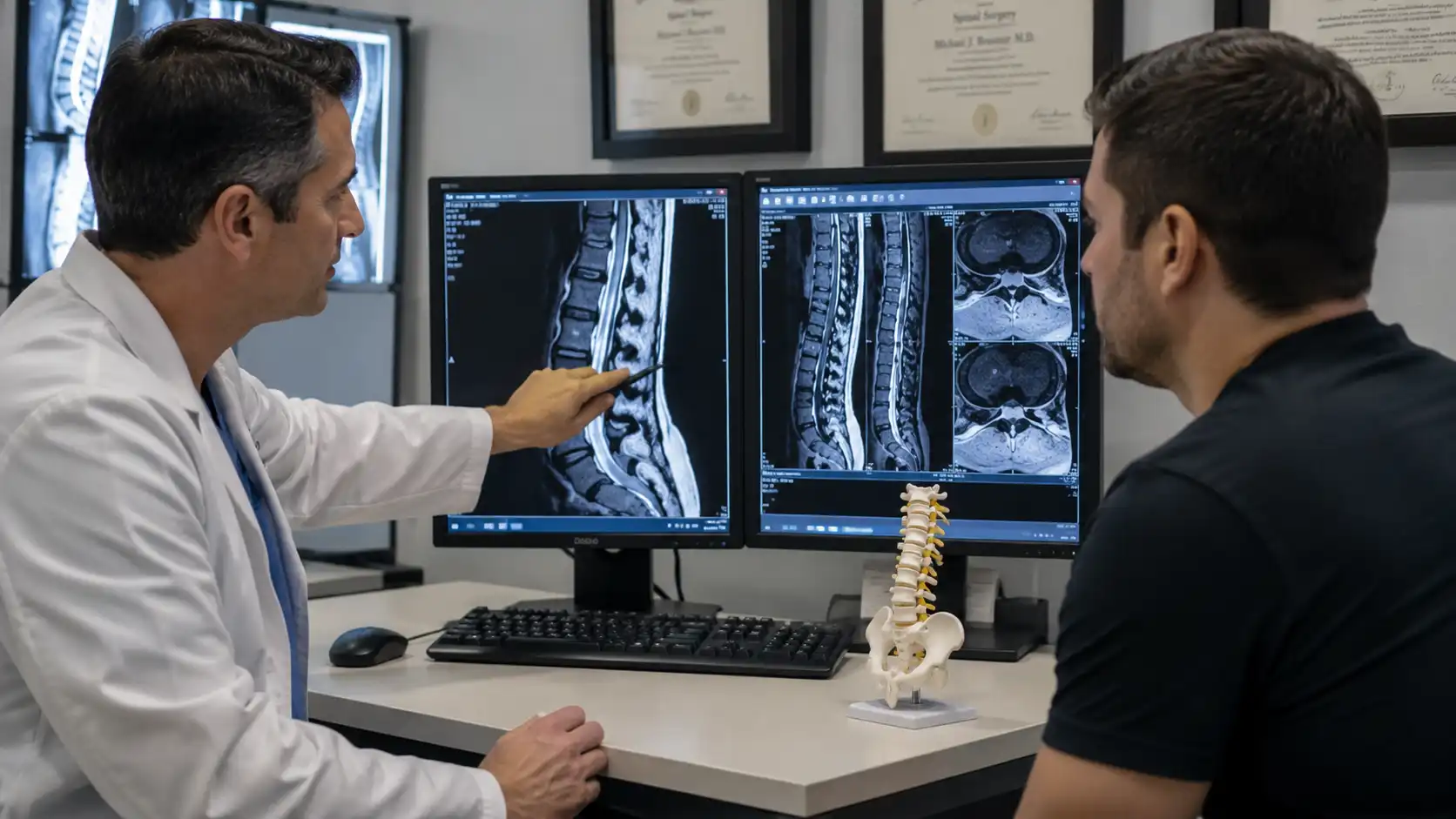
The spinal cord serves as the primary communication pathway between the brain and the rest of the body. It is protected by vertebrae that form the spinal column. When damage occurs to the spinal cord, the transmission of signals between the brain and body may be disrupted.
The spinal cord consists of several regions:
Cervical Spine
The cervical spine is located in the neck. Injuries in this area are often the most severe because they can affect movement and sensation throughout the entire body.
Thoracic Spine
Located in the upper and middle back, the thoracic region controls many functions involving the torso and trunk.
Lumbar Spine
The lumbar spine is located in the lower back and helps control movement and sensation in the legs and lower body.
Sacral Region
The sacral area sits near the pelvis and contributes to lower body functions.
The location of the injury often determines the extent of physical limitations a person may experience.
Types of Spinal Cord Injuries
Spinal cord injuries are generally classified as either complete or incomplete.
Complete Spinal Cord Injury
A complete spinal cord injury results in a total loss of sensation and motor function below the injury site. Communication between the brain and affected body parts is interrupted entirely.
Incomplete Spinal Cord Injury
An incomplete spinal cord injury allows some nerve signals to continue passing through the damaged area. Individuals may retain partial sensation, movement, or bodily function.
The severity of an injury can vary significantly from one person to another. Some individuals may regain certain functions through rehabilitation, while others may face permanent disabilities.
Common Symptoms Following a Motorcycle Accident
Symptoms of spinal cord injuries may appear immediately after a crash or develop over time as swelling and inflammation increase.
Common symptoms include:
Severe back or neck pain, numbness in the arms or legs, weakness in the extremities, loss of coordination, difficulty walking, muscle spasms, reduced sensation, and problems controlling bladder or bowel functions.
In severe cases, paralysis may occur below the point of injury.
Anyone involved in a motorcycle accident who experiences these symptoms should seek medical evaluation as quickly as possible.
Immediate Medical Treatment
Emergency medical care plays a significant role in limiting additional damage after a spinal cord injury.
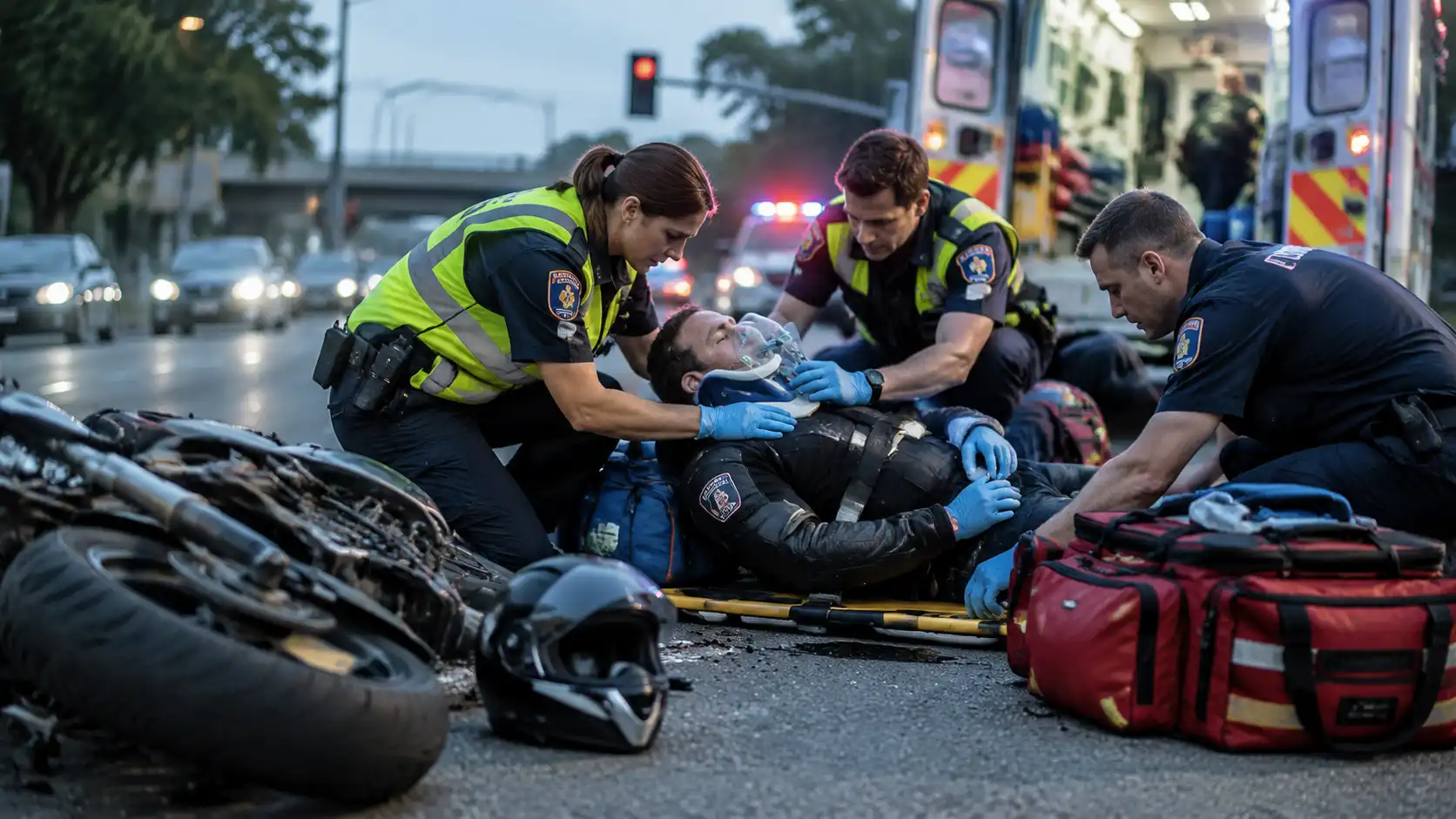
First responders often immobilize the head, neck, and back before transporting injured riders to a hospital. This precaution helps reduce movement that could worsen spinal trauma.
Medical professionals may use several diagnostic tools, including:
- X-rays
- CT scans
- MRI imaging
- Neurological examinations
These evaluations help determine the location and severity of the injury.
According to the National Institute of Neurological Disorders and Stroke, early treatment and stabilization can influence long-term outcomes for individuals with spinal cord injuries.
Treatment Options for Spinal Cord Injuries
Treatment plans depend on the type and severity of the injury.
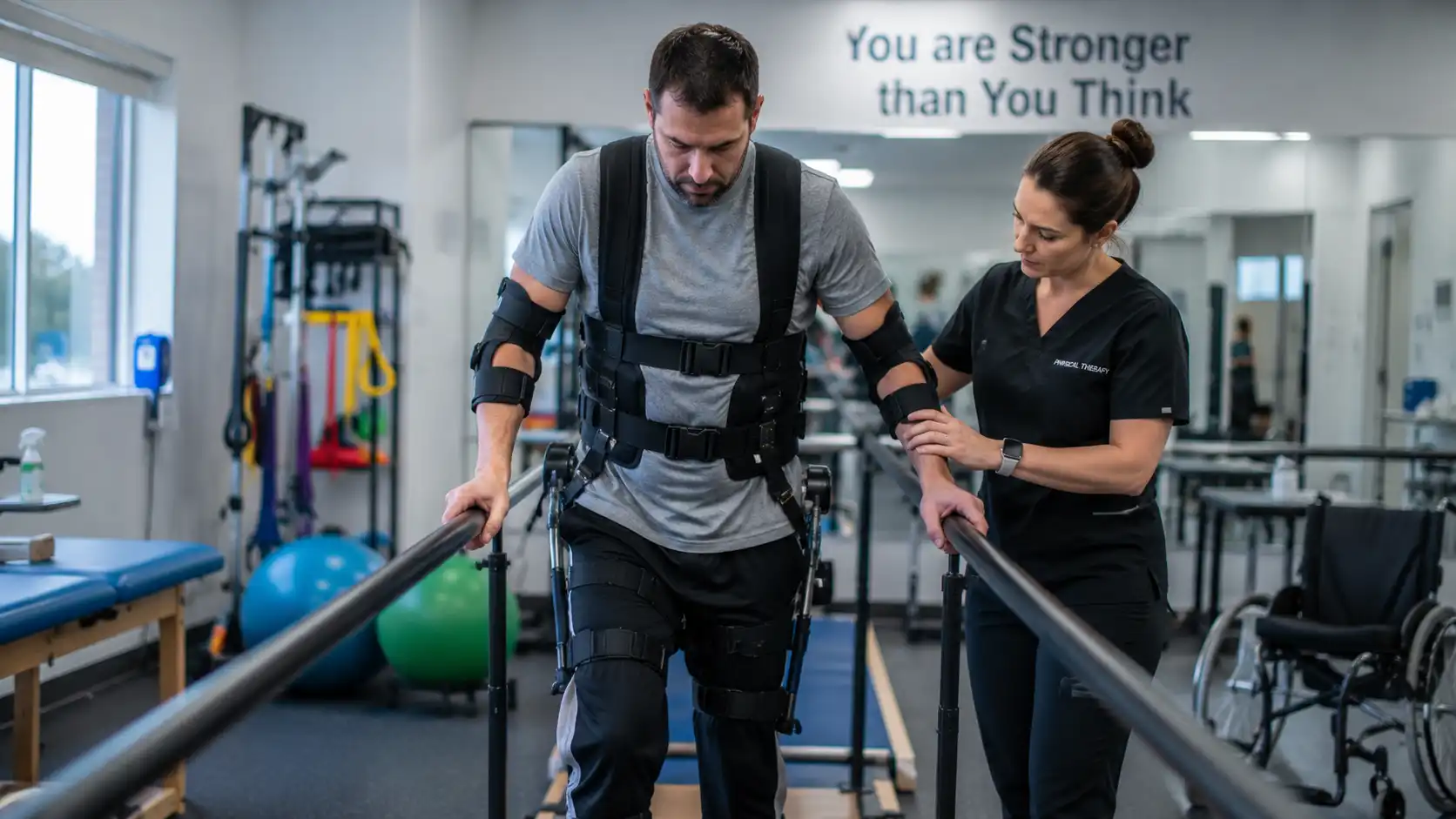
Some patients require emergency surgery to stabilize fractured vertebrae or remove pressure from the spinal cord. Others may undergo extensive rehabilitation to improve strength, mobility, and independence.
Treatment often includes:
Surgical Procedures
Surgeons may implant rods, plates, or screws to stabilize the spine and prevent further damage.
Physical Therapy
Physical therapy focuses on restoring movement, strength, and functional abilities.
Occupational Therapy
Occupational therapy helps individuals adapt to daily activities and develop strategies for independent living.
Assistive Devices
Wheelchairs, braces, mobility aids, and adaptive technologies may improve quality of life for individuals with long-term disabilities.
The Emotional Impact of Spinal Cord Injuries
The effects of a spinal cord injury extend beyond physical limitations.
Many motorcycle accident victims face emotional and psychological challenges during recovery. Depression, anxiety, frustration, and post-traumatic stress symptoms are common.
Changes in employment, financial stability, family roles, and personal independence can create significant stress. Mental health support often becomes an important component of the recovery process.
Family members may also experience emotional challenges while helping loved ones adjust to life after a serious injury.
Long-Term Financial Consequences
Spinal cord injuries are among the most expensive injuries to treat. Medical expenses can continue for years after the initial accident.
Common costs include hospital stays, surgeries, rehabilitation programs, prescription medications, mobility equipment, home modifications, transportation assistance, and ongoing medical care.
Many individuals are unable to return to their previous occupations, resulting in reduced earning capacity and lost income.
The long-term financial burden often extends well beyond the initial medical bills.
How Fault Is Determined in Motorcycle Accidents
Determining fault may become an important issue following a motorcycle crash involving a spinal cord injury.
Evidence frequently used during investigations includes:
Police reports, witness statements, surveillance footage, traffic camera recordings, vehicle damage analysis, accident reconstruction findings, and medical records.
California follows a comparative negligence system. This means multiple parties may share responsibility for an accident. Even when a motorcyclist is partially at fault, damages may still be available depending on the circumstances.
Documentation That May Help Support a Claim
Accurate documentation often plays a role in evaluating accident-related losses.
Important records may include:
Medical reports, diagnostic imaging results, treatment plans, rehabilitation records, employment documentation, wage information, accident scene photographs, and witness contact information.
Maintaining organized records may help establish the full impact of the injury.
Preventing Motorcycle-Related Spinal Cord Injuries
While not all accidents can be prevented, certain safety practices may reduce injury risks.
Riders may benefit from wearing DOT-approved helmets, using protective riding gear, maintaining safe following distances, avoiding impaired riding, obeying traffic laws, and remaining alert to surrounding vehicles.
Defensive riding techniques can also help motorcyclists identify hazards before dangerous situations develop.
Recovery Looks Different for Everyone
No two spinal cord injuries are identical. Recovery experiences vary depending on the severity of the injury, age, overall health, and access to medical care.
Some individuals regain significant function through rehabilitation, while others adapt to permanent changes in mobility and independence. Advances in medical research continue to provide new opportunities for treatment and recovery.
Although the road ahead can be challenging, many spinal cord injury survivors build meaningful and productive lives through medical support, rehabilitation, community resources, and personal determination.
Final Thoughts
Spinal cord injuries after motorcycle accidents can have lasting physical, emotional, and financial consequences. These injuries often require extensive medical care, long-term rehabilitation, and significant lifestyle adjustments.
Understanding the causes, symptoms, treatment options, and challenges associated with spinal cord injuries may help riders and their families navigate the recovery process more effectively. Seeking prompt medical attention, preserving documentation, and learning about available resources can play an important role in managing the aftermath of a serious motorcycle accident.